 You are in our Global Site


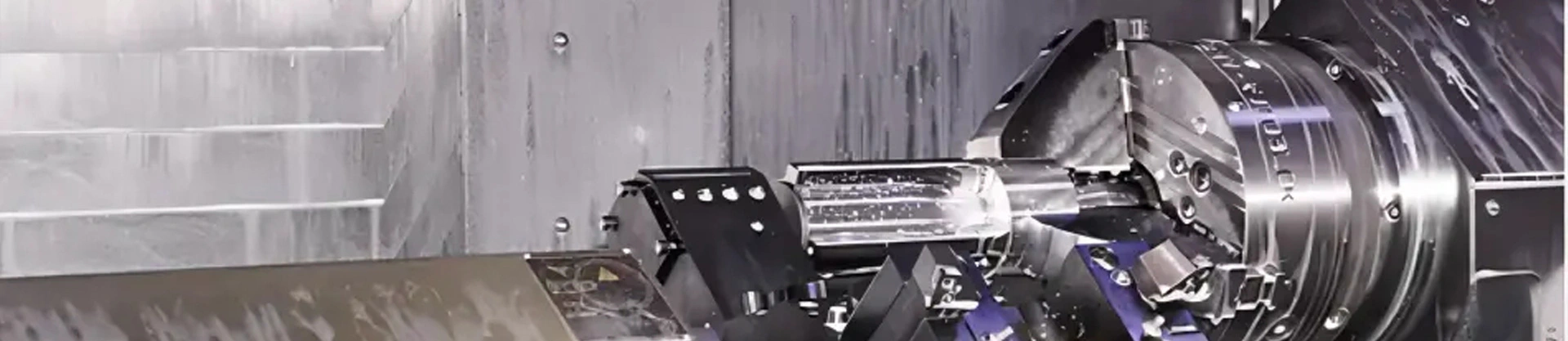
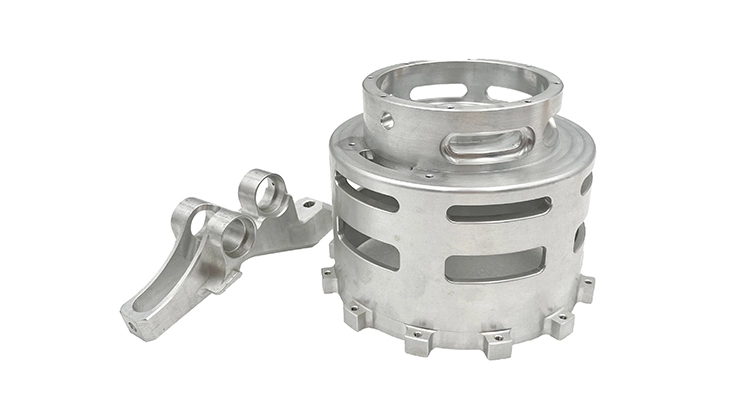
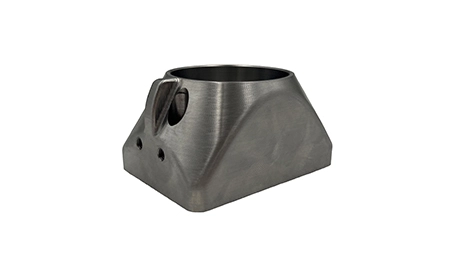
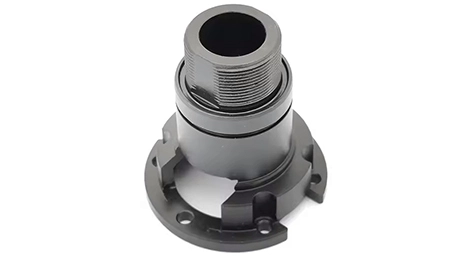
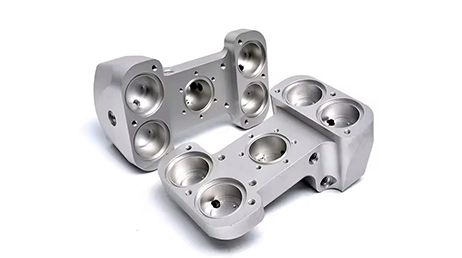
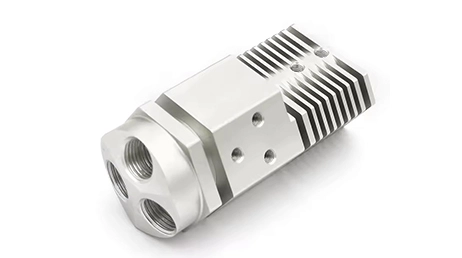
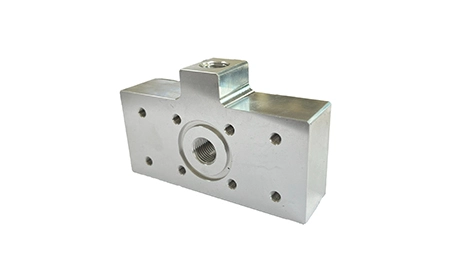
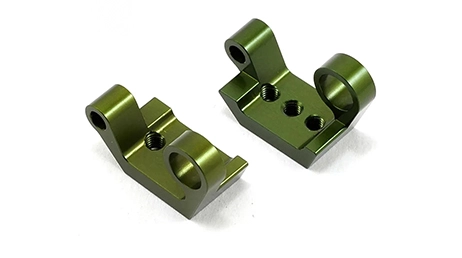
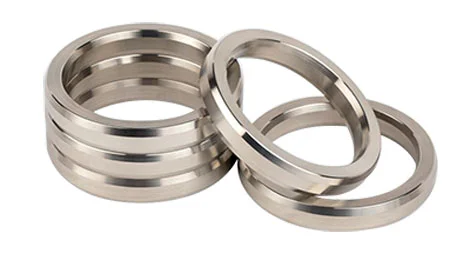
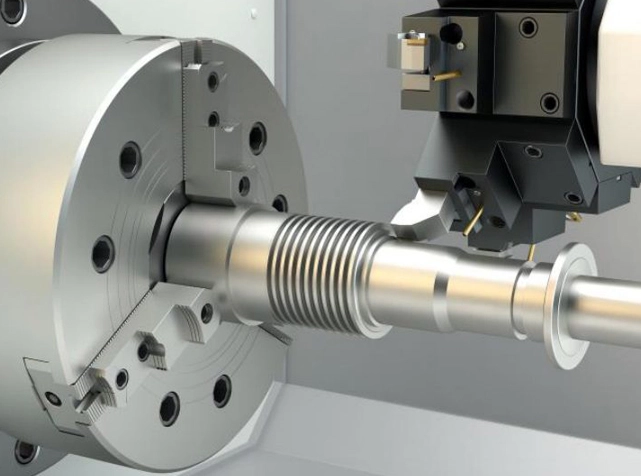
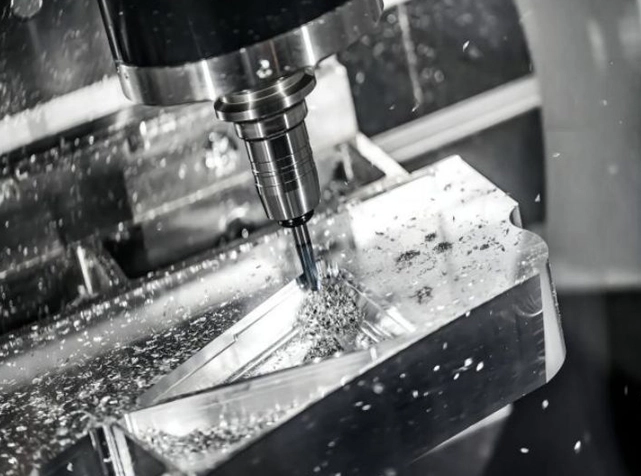
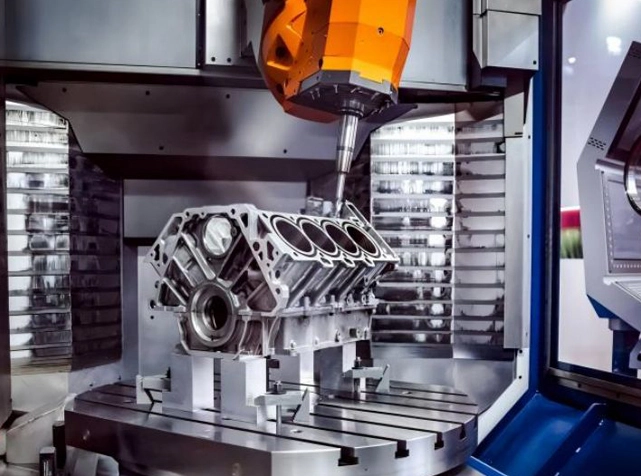
Xintao supports custom CNC mill-turn parts with both turned and milled features, manufactured according to customer drawings.
Size: Ø20–480 mm, length up to 1200 mm
Tolerance: Down to ±0.005 mm after review
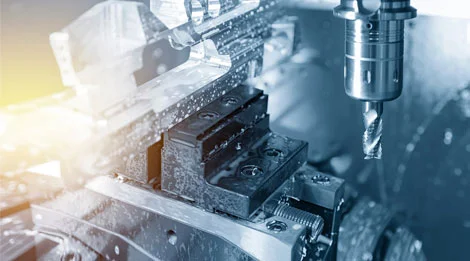
Processes: Turning, milling, drilling, tapping and threading
Materials: Aluminum, stainless steel, alloy steel, titanium and plastics
Lead Time: From 5 days for selected simple parts
NDA: Available for confidential projects
| Name | Description | |
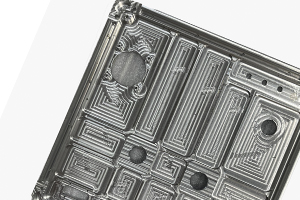 | As machined | The part exhibits noticeable tool marks and potential sharp edges and burrs. |
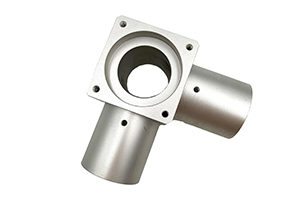 | Sand blasting | Machined parts can be given a smooth and uniform matte surface finish that eliminates tool marks effectively. |
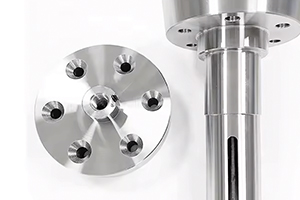 | Polishing | Achieving a smooth and glossy surface can be accomplished through manual polishing in various directions or the use of a chemical polishing treatment. |
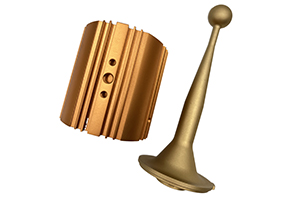 | Anodizing | There are two types of anodizing processes: Type II (color or clear) and Type III (hard coat). Tool marks cannot be concealed, and colored anodization is based on the Pantone color chart. |
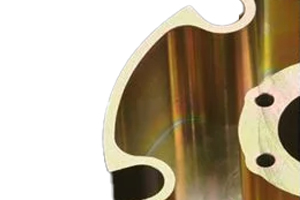 | Chromate Conversion Coating | This process enhances the adhesion of coatings applied subsequently on metal surfaces, particularly aluminum and its alloys |
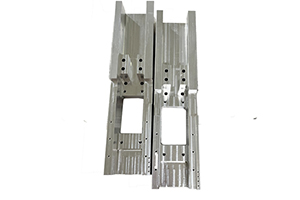 | Surtec 650 | It enhances corrosion resistance, and paint adhesion, and serves as a base for painting/coating. |
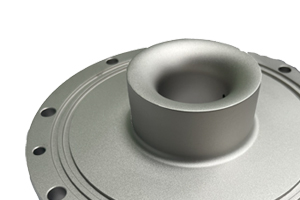 | Plating | It includes Nickel Plating, Silver Plating, Gold Plating, Zinc Plating, Chrome Plating, Tin Plating, etc, This can include improving corrosion resistance, adding wear resistance, enhancing conductivity, providing decorative finishes, or facilitating solderability. |
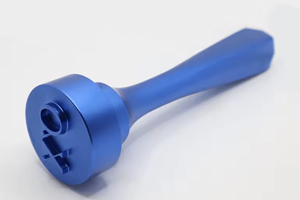 | Powder Coated | Powder coating is a method of applying a durable and protective finish to metal surfaces. It involves spraying a dry powder onto the surface, which is then cured under heat to form a hard, smooth coating. |