 You are in our Global Site


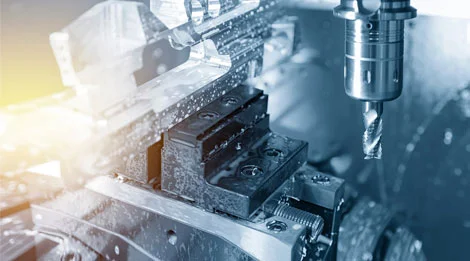
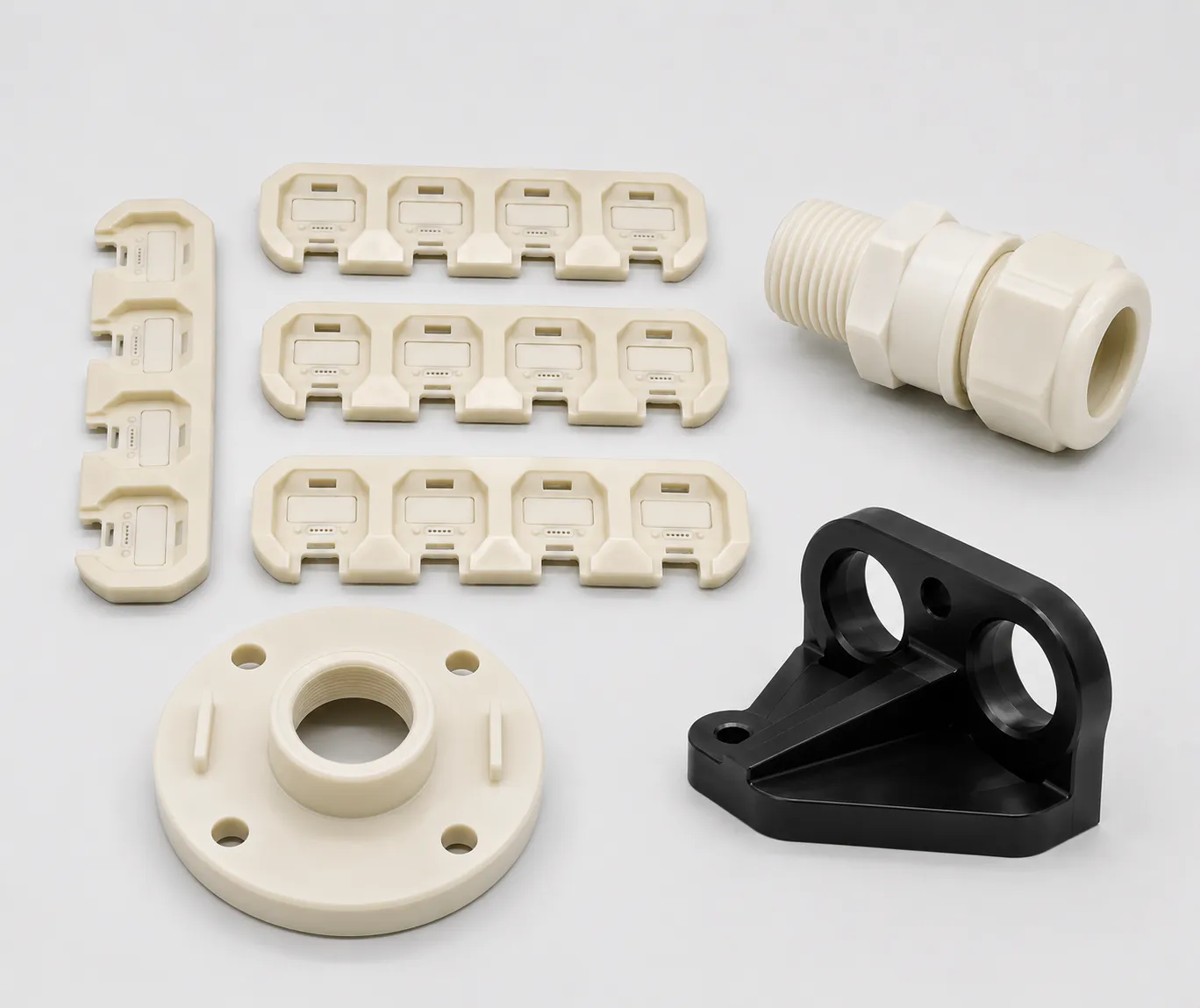
Xintao provides custom ABS CNC machining services for prototypes, functional testing parts and low-volume production. We support CNC milling, turning, drilling and tapping, with inspection reports available when required.
50+ CNC machining machines
Lead times from 5 days for selected simple parts
Prototypes and low-volume production supported
.webp)
.webp)
.webp)
.webp)
ABS is a cost-effective engineering plastic that offers good impact resistance, dimensional stability and machinability.
Common applications include:
Prototype parts
Functional testing components
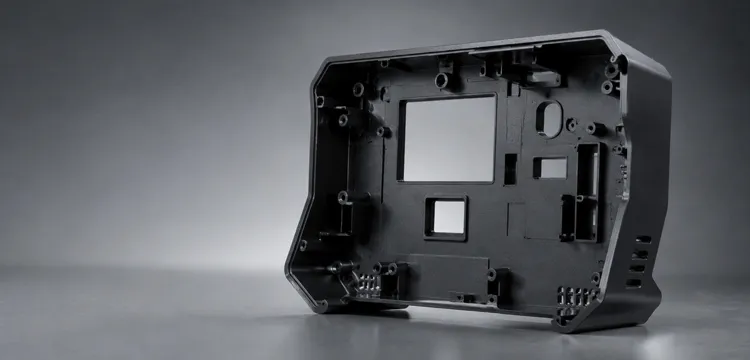
Electronic housings
Covers and enclosures
Mounting brackets
Automotive interior parts
Consumer product components
Property | Benefit |
Good Impact Resistance | Suitable for functional prototypes |
Easy To Machine | Faster machining and shorter lead times |
Lightweight | Easy handling and assembly |
Good Surface Finish | Suitable for painted or cosmetic parts |
Cost Effective | Lower machining cost than many engineering plastics |
Stable Performance | Suitable for low-volume production |
Property | ABS | Delrin (POM) |
Impact Resistance | Excellent | Good |
Wear Resistance | Moderate | Excellent |
Rigidity | Moderate | High |
Machinability | Easy | Excellent |
Cost | Lower | Higher |
Best For | Prototypes & Housings | Gears & Precision Parts |
ABS is commonly used for prototypes and housings, while Delrin (POM) is preferred for wear-resistant precision mechanical components.
Choosing the right plastic for CNC machining can be tricky. ABS is a popular option, but how does it stack up against other commonly machined plastics? Let's break it down by comparing ABS with acrylic, polycarbonate, and nylon.
| Feature | ABS | Acrylic |
| Durability | High impact resistance | More brittle, less impact-resistant |
| Clarity | Opaque, not ideal for clear parts | Excellent optical clarity |
| Ease of Machining | Easy to machine | Brittle, prone to cracking during machining |
| Applications | Prototyping, casings, and automotive parts | Display cases, lenses, signage |
Key Takeaway: If you need strength and durability, ABS is the better choice. However, for transparent components or aesthetic finishes, acrylic wins hands down.
| Feature | ABS | Polycarbonate (PC) |
| Impact Resistance | High, but lower than PC | Exceptional impact resistance |
| Temperature Tolerance | Moderate, up to ~100°C | Higher, up to ~150°C |
| Cost | More affordable | More expensive |
| Ease of Machining | Easy | Slightly more difficult due to toughness |
| Applications | Consumer products, automotive | Safety glasses, protective covers |
Key Takeaway: If your project requires extreme impact resistance or high-temperature tolerance, polycarbonate is your best bet. ABS is more budget-friendly and sufficient for less demanding applications.
| Feature | ABS | Nylon |
| Flexibility | Rigid | Flexible, suitable for moving parts |
| Moisture Absorption | Low | High, can swell in humid conditions |
| Durability | Good, especially in static parts | Excellent for wear resistance and moving parts |
| Ease of Machining | Easy | Harder, prone to warping during machining |
| Applications | Electronics, casings, and toys | Gears, bearings, and wear-resistant parts |
Key Takeaway: Nylon is the go-to for applications involving movement or wear, while ABS is better for static parts requiring rigidity and stability.
At Xintao, we manufacture custom ABS CNC parts according to customer drawings for prototypes and low-volume production.
Our capabilities include:
50+ CNC machining centers
CNC milling, turning and drilling
Low-volume production from 1 piece
Lead times from 5 days
100% inspection before shipment
Inspection reports available
Material certificates available when required
Worldwide delivery support